/ TOPICS /
Arthropod Vectors and Vector-Borne Pathogens
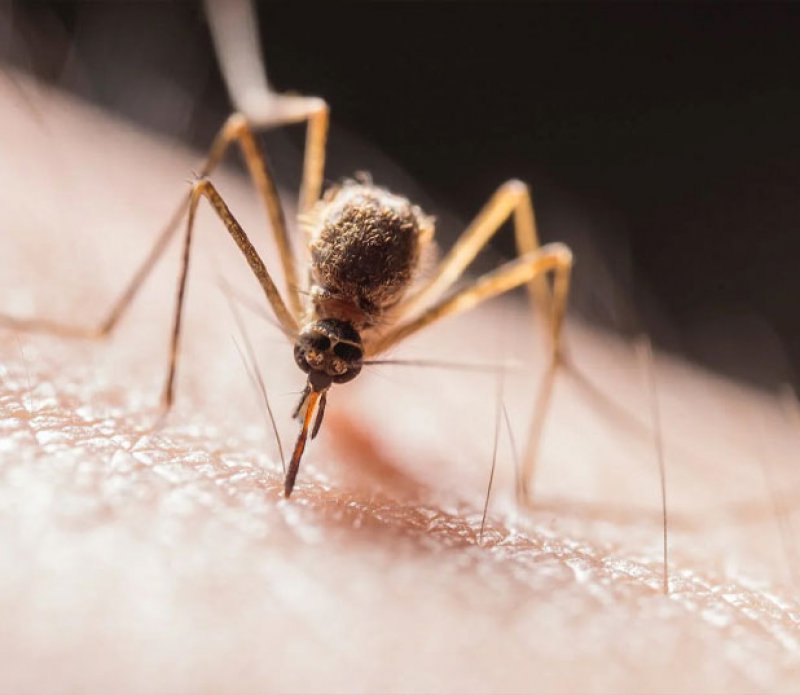
The thematic area dedicated to arthropod vectors and vector-borne pathogens (VBPs) focuses on investigating of the influence of globalization and climate change on the distribution, spread, and biology of arthropod vectors, as well as their capacity to transmit pathogens to humans and animals.
Scientific research and surveillance activities are primarily organized into three main areas:
- Pathogen–Vector, Vector–Host, and Pathogen–Host Interactions and Adaptation: fundamental research aimed at understanding how vectors and the pathogens they transmit adapt to changing environmental conditions. Research focuses on elucidating the still poorly understood interactions among pathogens, invertebrate vectors, and vertebrate hosts, while also investigating the role of the vector microbiota in pathogen transmission and adaptation.
- Ecological Surveillance and Monitoring Tools: development and validation of innovative, environmentally sustainable, and location-specific surveillance and environmental monitoring approaches. The objective is to characterize the seasonality, geographic distribution, and occurrence of vector species—using nationally relevant vector-borne pathogens such as Dengue virus, West Nile virus, Chikungunya virus, and Toscana virus as primary study models—in order to anticipate epidemiological trends and improve outbreak preparedness.
- Data Integration, Sharing, and Research Infrastructures: establishment of collaborative networks to facilitate the sharing of knowledge, biological samples, and standardized protocols. Through the integration of national relational databases and biorepositories dedicated to arthropod vectors and their microbiota, this thematic area centralizes ecological and epidemiological data, strengthening the country's scientific capacity to prevent and respond to emerging and re-emerging vector-borne diseases.