30/07/2026
Interview to Prof. Paolo Gabrieli - AH INF-ACT Mid Career Awardee

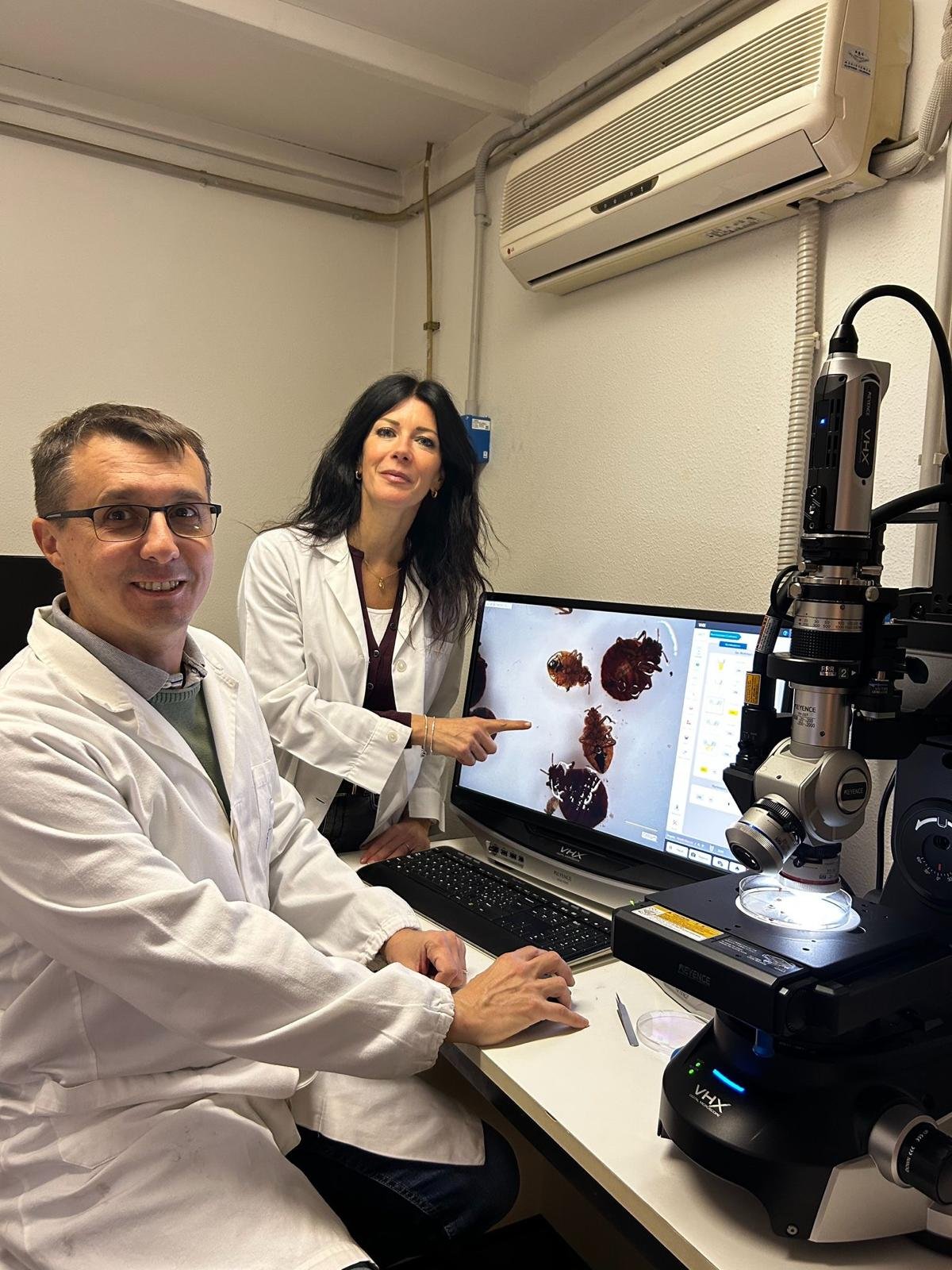
The research activity of Paolo Gabrieli—Professor of Zoology at the Department of Biosciences of the University of Milan, who two years ago won the Mid Career Award funded by the INF-ACT Foundation in collaboration with the Armenise-Harvard Foundation—continues at a fast pace. Thanks in part to the Mid Career Award—dedicated to candidates active for at least five, but fewer than 12 years, and affiliated with one of the 25 partners of the INF-ACT Extended Partnership—his line of research continues with the goal of finding a new, eco-friendly mosquito control technique by modifying their reproduction.
Tell us about the winning project
Beyond being a nuisance on summer evenings, mosquitoes are major vectors of human diseases. At present, they are mainly controlled using insecticides, but these solutions are harmful to both the environment and human health—not to mention that they are losing their effectiveness. It is therefore necessary to develop methods that remain effective, are environmentally friendly, and act at a speed comparable to traditional insecticides.
What is the aim of the study?
One of the key characteristics of these insects is their ability to generate numerous offspring in a short time: by limiting their ability to reproduce, we can reduce their numbers and control their populations. Current eco-friendly techniques produce sterile individuals, which are effective at preventing reproduction but leave potentially dangerous mosquitoes in the environment: if an infected female cannot reproduce, she will still remain an infectious vector throughout her lifespan. The idea, then, is to develop a biotechnology that bridges this gap by eliminating the potential danger posed by females.
What solution have you found?
The idea is to genetically modify male mosquitoes so that they kill females during mating.
How is that possible?
We are working to ensure that the male transfers toxins present in his reproductive tract to the female during copulation—obviously without harming the male before he finds a mate. Thanks to the Mid Career grant, we were able to overcome the main technological challenge of this concept: we identified a pro-toxin that is activated only upon mating.
How will the research proceed from here?
This is cutting-edge work: genetically modifying mosquitoes is extremely demanding because, unlike those working on Drosophila, for instance, there are no ready-made mosquito specimens available. A great deal of work goes into every single specimen—at least 5 to 6 months. Consequently, the next challenge is to enable the mosquitoes to pass on these traits, generating "carrier" males and avoiding the loss of the genetically modified strain once released into the wild.
Image gallery