Research Node 1 - VIRUS

Research node 1 "EMERGIN AND RE-EMERGING VIRUS" aims at creating a national network of outstanding researchers and institutions to better address the major biological and medical issues imposed by future emerging or re-emerging viruses. We have organized this node in four Work-Packages (WP1.1-1.4) comprising specific tasks and enriched by open-calls for those major topics that are addressed in the WPs but which require additional skills and know-how. These calls will address basic and clinical aspects relevant to those families of viruses with extended host and tissue tropism.
The activities within Research Node 1 are organized into 4 Work Packages (WP):
- WP1.1 - New Diagnostic technologies (approaches) and monitoring of respiratory virus infections
- WP1.2 - Virus-Host interactions and virus Immunoediting
- WP1.3 - Monitoring the emergence of new viruses at the human-animal interface
- WP1.4 - Clinical manifestations of emerging and re-emerging viruses, and assessment of vaccines and treatments efficacy
Institutions involved













Researchers involved

Fausto Baldanti
Research Node 1 Leader
Università degli Studi di Pavia
Fausto Baldanti is a Full Professor of Microbiology and Clinical Microbiology at the Department of Clinical Surgical, Diagnostic, and Pediatric Sciences of the University of Pavia (since 01/02/2023). He serves as the Director of the Department of Diagnostic Services and Imaging at the IRCCS Policlinico San Matteo Foundation, Pavia (since 09/2022) and is the Director of the Complex Structure of Microbiology and Virology at the IRCCS Policlinico San Matteo Foundation, Pavia (since 01/09/2022).
Since May 2, 2017, he has been the Director of the Specialization School in Microbiology and Virology at the University of Pavia, open to both medical and non-medical graduates. In 2004, he obtained the Specialization in Microbiology and Virology with a score of 70/70 with honors from the University of Padua. In 1995, he achieved the Specialization in Infectious Diseases with a score of 50/50 with honors from the University of Pavia.
Professor Baldanti is a co-author of over 500 papers published in international scientific journals indexed in Medline, the majority of which as the first, last, or corresponding author (Scopus). He has also contributed to 4 chapters, 3 in English-language texts and 1 in an Italian-language text. His H-index is 66 (Scopus), with a total of 18,418 citations (Scopus).
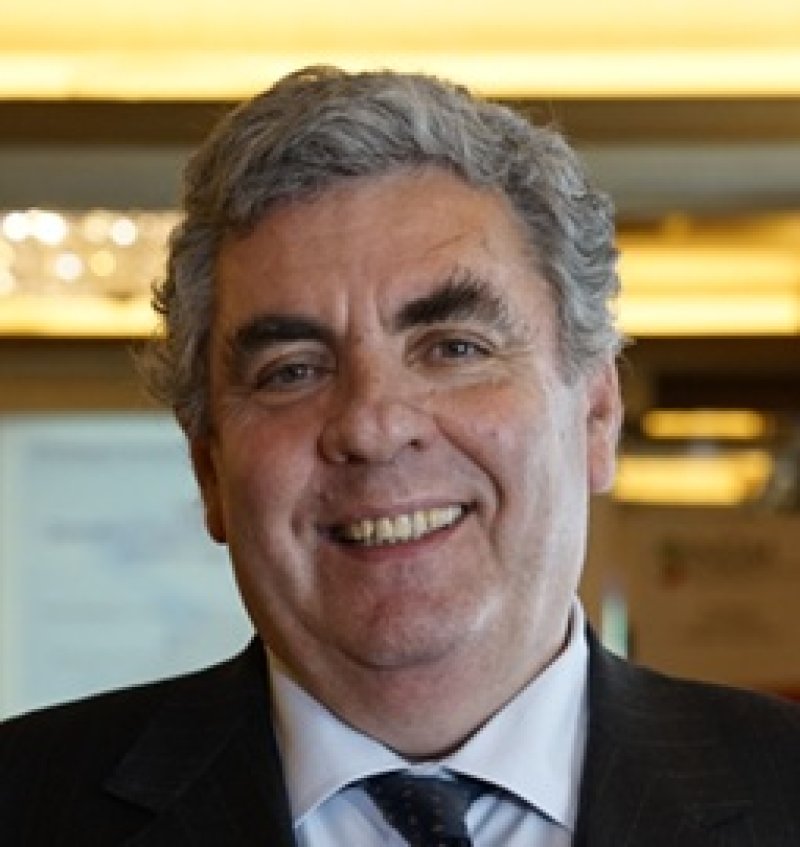
Sergio Abrignani
Research Node 1 Co-Leader
Università degli Studi di Milano
Sergio Abrignani è un MD, PhD con una lunga esperienza di ricerca immunologica su vaccini, malattie infettive e tumori. È Direttore Scientifico dell’Istituto Nazionale di Genetica Molecolare (INGM) "Romeo ed Enrica Invernizzi" di Milano ed è professore ordinario di Immunologia e Immunopatologia presso l’Università degli Studi di Milano.
Nel 2004 è stato insignito dal Presidente della Repubblica italiana della medaglia d’oro al merito della salute pubblica per la scoperta del recettore del virus dell’epatite C. Nel 2011 ha ricevuto un "Advanced Grant" del European Research Council (ERC).
È membro del Consiglio Superiore di Sanità del Ministero della Salute e siede nel Consiglio di Amministrazione di alcuni fondi di investimento ed aziende di biotecnologia. Negli ultimi 5 anni ha fondato due start-up di successo per nuove immunoterapie antitumorali. La sua attività di ricerca si è concentrata sull’immunologia e sulle interazioni tra virus e cellule umane.
Ha pubblicato più di 160 articoli scientifici con un h-index di 64 (Scopus), più di 14000 citazioni e circa 30 brevetti internazionali.
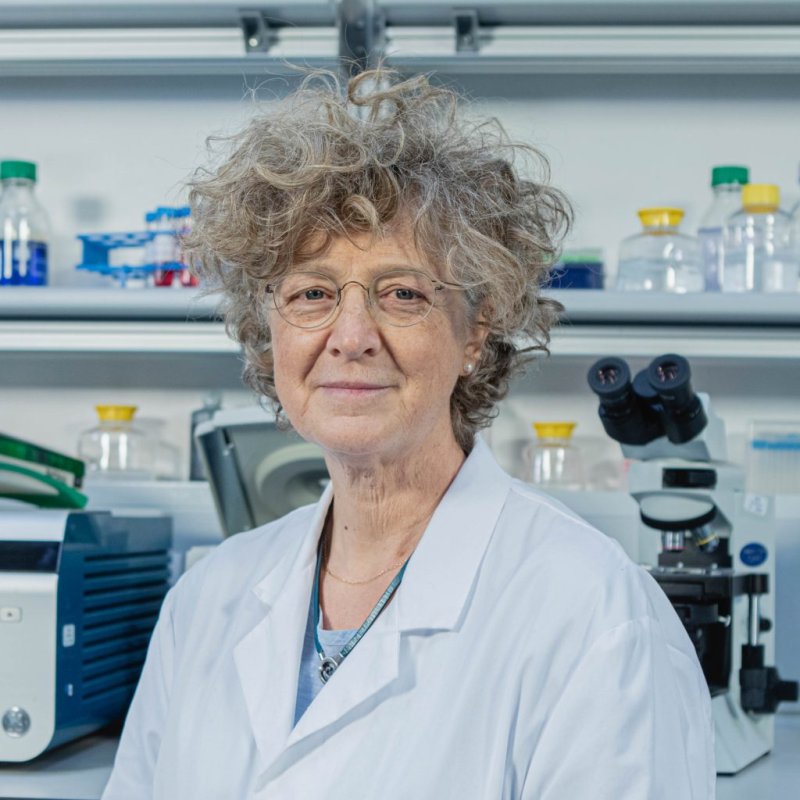
Cecilia Garlanda
Research Node 1 Co-Leader
Humanitas University
Cecilia Garlanda is group leader at Humanitas Research Hospital, in Milan, where she leads the Experimental Immunopathology Lab, as well as full professor of Clinical Pathology and Adjunct Professor of Medical Microbiology at Humanitas University, Pieve Emanuele (MI). She is an immunologist, focused on innate immunity and regulation of inflammation. Major topics of her research are the roles of the long pentraxin PTX3 and complement in innate immune responses to pathogens, their diagnostic/prognostic potential in infections, including COVID-19, and the roles of regulators of the interleukin-1 system in immune responses. She authored more than 260 peer reviewed papers (h-index 88). ORCID: https://orcid.org/0000-0002-1510-7703
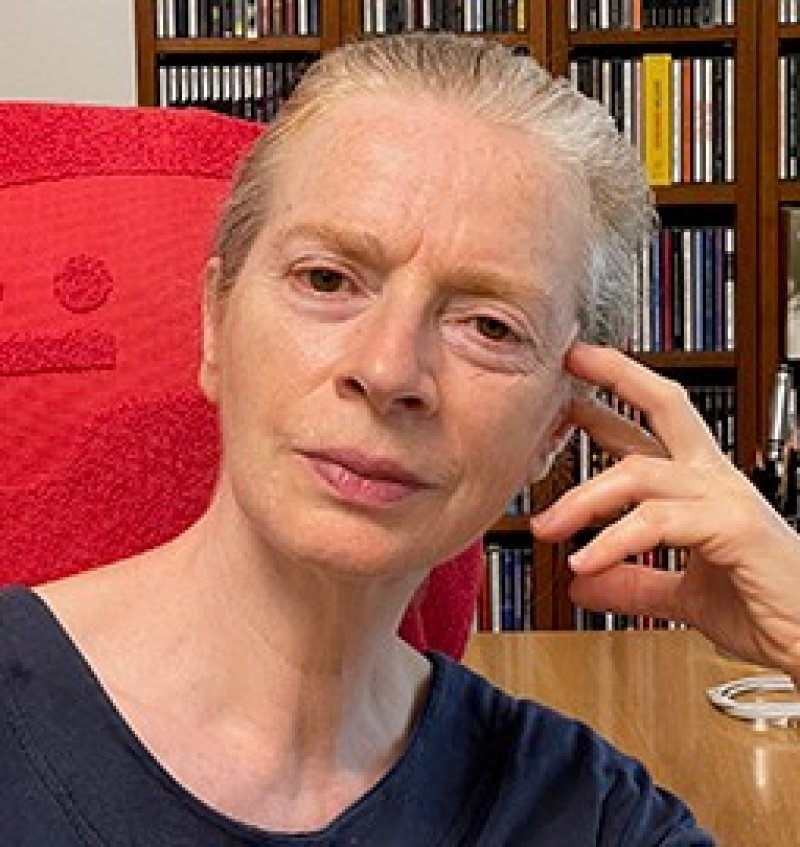
Eliana Coccia
Research Node 1 Co-Leader
Istituto Superiore di Sanità
Eliana Marina Coccia is a Research Director and Head of the Microorganisms and host response: research and technological innovation Unit at the Department of Infectious Disease of the Istituto Superiore di Sanità (Rome). Her research activity focuses on immunology of infection & host-pathogen interaction. The results obtained in this research area provided important knowledge on the immune-evasion mechanisms exploited by pathogens to hijack both innate and adaptive immunity and to promote chronic inflammatory process. More recently, her knowledge and experience turn out crucial to investigate the regulation of antiviral responses in COVID-19 patients and the innate immune response induced by the new mRNA containing vaccines formulations. She is expert for Bacterial Endotoxin Working Party at European Directorate for the Quality of Medicines given her commitment in implementing and optimizing the monocyte activation test, an European Pharmacopoeia test for the detection of pyrogenic contaminant in products for human use, including vaccines. She is a co-author of over 139 papers published in international scientific journals indexed in Medline, the majority of which as the first, last, or corresponding author (Scopus). Her H-index is 45 (Scopus), with a total of 12,751 citations (Scopus). ORCID ID:0000-0002-1606-2949
News and events